


 English


The Comprehensive Guide to Custom PVC Cards: Fabrication, Applications, and Maintenance
Custom Polyvinyl Chloride (PVC) cards are ubiquitous in modern society, serving as the physical backbone for identification, access control, payment, and marketing. The process of customizing these cards involves a sophisticated blend of digital design, printing technology, and material science to create durable, secure, and highly functional products. Understanding the intricacies of this process, from the technical specifications to their vast application landscape and proper care, is essential for businesses and organizations looking to leverage this versatile tool effectively.
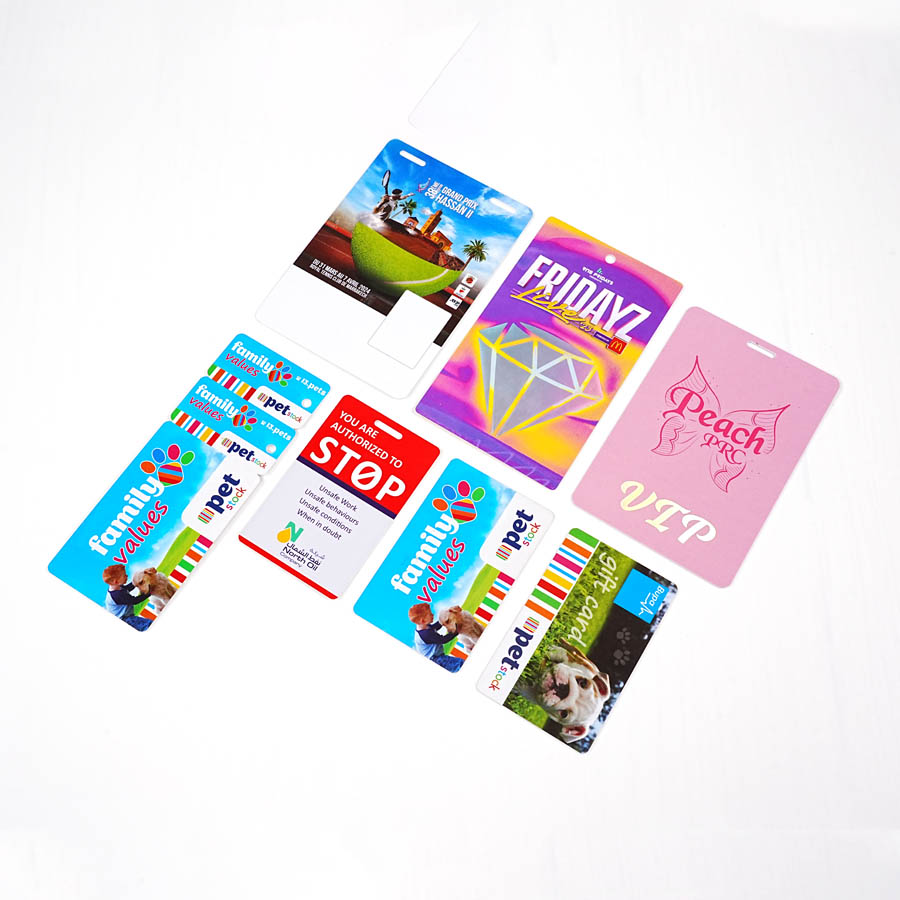
What is Custom PVC Card Fabrication?
Custom PVC card fabrication is a multi-step manufacturing process that transforms raw PVC plastic sheets into personalized, functional cards. The standard dimensions for these cards are 85.60 mm × 53.98 mm (3.370 in × 2.125 in), conforming to the ISO/IEC 7810 ID-1 format. The process begins with the creation of a digital design, which is then translated onto the card substrate using various printing and embedding techniques. The core material is typically a white or transparent PVC core, often with a thickness of 0.76 mm (30 mil), though specialized cards can range from 0.50 mm to 1.20 mm. The customization extends beyond mere surface printing to include embedded security features, electronic components, and specific surface finishes that define the card's functionality and lifespan.
Key Characteristics and Technical Data
The effectiveness of a custom PVC card is determined by its specific characteristics, each backed by precise technical data.
1. Durability and Physical Resilience
PVC cards are engineered for long-term use. They exhibit high resistance to abrasion, bending, and cracking. A standard PVC card can withstand over 10,000 flexes in a standardized test (e.g., ISO/IEC 10373-1) before failure. They are also resistant to moisture, oils, and many chemicals, ensuring the Printed information remains intact in various environments. The material's operational temperature range is typically from -10°C to 50°C (14°F to 122°F), making them suitable for both indoor and outdoor use.
2. Printing and Customization Capabilities
The visual customization is achieved through high-resolution printing. Dye-sublimation printing is a common method, where dye is gasified and infused into the PVC surface, resulting in a high-resolution image that is resistant to fading. The print resolution can reach up to 300 dpi (dots per inch) or higher, allowing for photorealistic images, intricate logos, and fine text. Customization also includes options for spot UV coating (glossy highlights), matte or glossy finishes, magnetic stripes (with a coercivity of 300 Oe for low-security or 2750/4000 Oe for high-security), and signature panels.
3. Security Features
For applications requiring authentication, a plethora of security features can be integrated. These include: - Microtext: Text as small as 0.2 pt, legible only under magnification. - Guilloche Patterns: Complex, interwoven lines that are difficult to replicate. - Holograms: Custom holographic foils applied via hot stamping. - UV Printing: Invisible ink that fluoresces under ultraviolet light. - Smart Card Chips: Embedded integrated circuits (ICs) with memory capacities ranging from 1 KB to 512 KB, supporting encryption protocols like DES, 3DES, and RSA.
4. Lamination and Surface Protection
To protect the printed design, a clear PVC overlay is thermally laminated onto the surface. This overlay adds a protective layer with a thickness of approximately 0.10 mm to 0.15 mm, significantly enhancing the card's resistance to scratching, scuffing, and fading from UV exposure. This lamination process ensures the card's visual appeal and data integrity are maintained over an expected lifespan of 2 to 5 years under regular use.
Application Scenarios
The versatility of custom PVC cards makes them indisPensable across numerous sectors.
Corporate and Employee Identification: Used for access control systems (proximity or smart card based), time and attendance tracking, and visual ID with photo, name, and title. They often integrate with secure printing stations and network logins.
Financial Services: The primary form factor for debit, credit, and ATM cards. These cards feature EMV chip technology (with transaction processing times under 500ms), magnetic stripes, and complex graphic designs with high-security printing to prevent counterfeiting.
Healthcare: Patient ID cards streamline registration, store essential medical information (allergies, blood type) on a magnetic stripe or chip, and control access to restricted areas like pharmacies and laboratories, complying with regulations like HIPAA.
Education: Student ID cards function as library cards, meal plan cards (storing a cash value on the chip), access cards for dorms and labs, and even as payment cards on campus.
Membership and Loyalty Programs: Gym memberships, retail loyalty cards, and club memberships use PVC cards to foster brand identity and track customer activity, often using barcodes or magnetic stripes for point accumulation.
Government and National ID: Driver's licenses, national ID cards, and voter registration cards are high-security PVC documents. They incorporate polycarbonate layers, laser-engraved personalization, and multiple overt and covert security features to prevent forgery and identity theft.
Proper Maintenance and Care
Extending the functional lifespan of a PVC card requires adherence to simple but effective care practices. Proper maintenance ensures that both the physical card and its embedded technologies remain operational.
Cleaning
Regular cleaning is essential. Use a soft, lint-free cloth slightly dampened with water or a mild isopropyl alcohol solution (less than 70% concentration). Gently wipe the surface of the card, paying particular attention to the contact points of any smart chip and the magnetic stripe. Avoid using abrasive cleaners, harsh chemicals (like acetone or bleach), or excessive moisture, as these can degrade the protective overlay, damage the printing, or corrode the electronic components.
Physical Handling
Avoid physically stressing the card. Do not bend, twist, or sit on the card, as this can delaminate the layers, break the internal antenna (in contactless cards), or crack the embedded microchip. Store the card in a protective sleeve or wallet slot that is not overly tight. Keep it separate from other cards with magnetic stripes to prevent accidental demagnetization. Avoid placing it near strong magnetic fields, such as those generated by speakers, microwaves, or MRI machines.
Environmental Protection
While PVC cards are durable, extreme conditions can accelerate wear. Prolonged exposure to direct sunlight can cause the colors to fade over time. High temperatures (above 50°C/122°F) can warp the card, while very low temperatures can make the plastic brittle. Store the card in a cool, dry place away from direct heat sources.
Smart Chip and Magnetic Stripe Care
The gold or silver contacts of a smart chip can tarnish. If a card reader has difficulty reading the chip, clean the contacts with a pencil eraser or a cloth dampened with isopropyl alcohol. For magnetic stripes, periodically wiping the stripe with a clean cloth can remove dust and debris that interfere with reading. If the stripe becomes demagnetized, it typically cannot be repaired and the card must be replaced.
In conclusion, the custom PVC card is a marvel of modern manufacturing, combining robust material science with advanced printing and electronics. Its applications are nearly limitless, touching almost every aspect of daily life from commerce to security. By understanding the detailed process behind its creation and adhering to proper maintenance protocols, organizations and individuals can maximize the value and longevity of these essential tools.
