


 English


Understanding Custom PET Lanyards
Custom PET (Polyethylene Terephthalate) lanyards represent a specialized category of neck-worn accessories manufactured from premium PET materials, engineered to deliver exceptional performance characteristics while maintaining environmental sustainability. These lanyards are created through an advanced manufacturing process where PET materials are precisely cut, Printed, and heat-sealed to produce durable, customizable wearable solutions. The fundamental construction involves multiple layers of PET material fused together under controlled temperature and pressure conditions, typically ranging from 150-200°C at 2-4 MPa pressure, ensuring complete material integration and structural integrity.
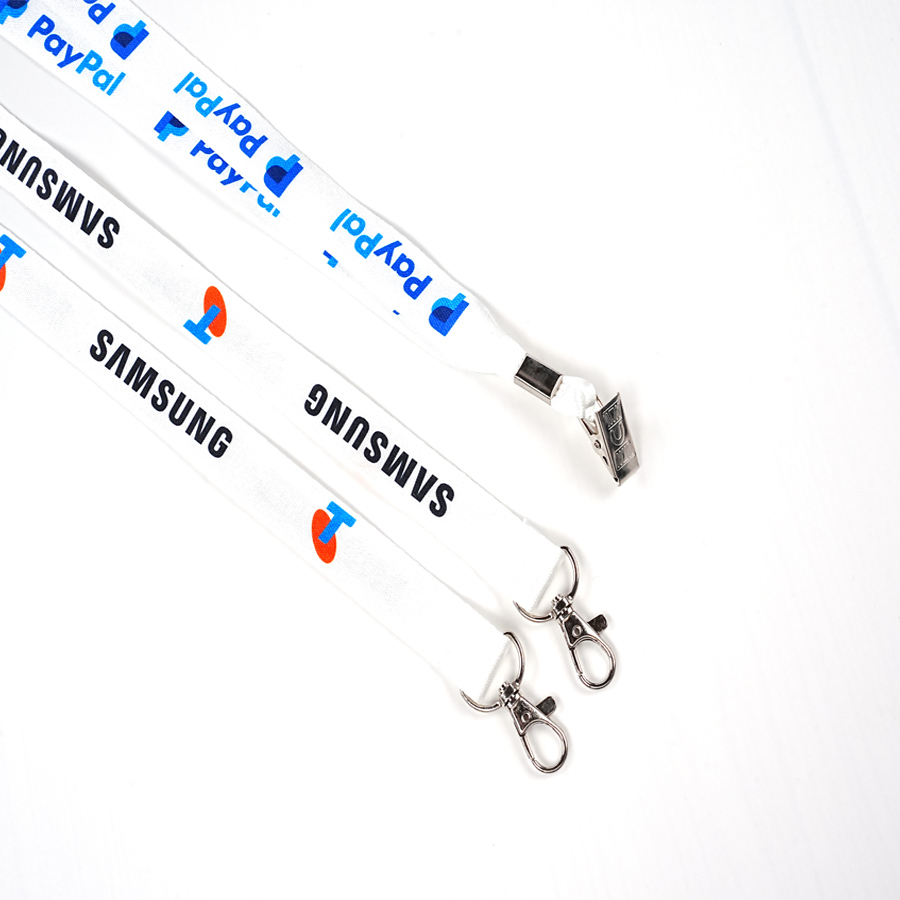
Key Technical Features and Specifications
Material Composition and Durability
PET Lanyards exhibit remarkable tensile strength, with testing data showing an average breaking strength of ≥45 kg (100 lbs) for standard 20mm width lanyards. The material demonstrates exceptional resistance to environmental stressors, maintaining structural integrity across temperature ranges from -40°C to 70°C. Accelerated aging tests reveal that PET lanyards retain over 85% of original tensile strength after 1,000 hours of UV exposure, significantly outperforming PVC alternatives which typically degrade to 60% strength under identical conditions.
Printing Resolution and Color Fidelity
The advanced digital printing technology employed in PET lanyard production achieves exceptional color reproduction with resolution capabilities up to 1440 dpi. Color gamut coverage exceeds 90% of the Pantone Matching System, ensuring accurate brand color representation. The printing process utilizes eco-solvent inks that penetrate the PET substrate to a depth of 15-20 microns, resulting in color fastness ratings of 7-8 on the Gray Scale for staining after standardized wash testing according to AATCC 61-2013 protocols.
Environmental Performance and Sustainability
PET lanyards demonstrate superior environmental credentials with a carbon footprint of approximately 2.1 kg CO2 equivalent per lanyard throughout their lifecycle, compared to 3.8 kg for conventional PVC alternatives. The material achieves a 98% recycling efficiency rate in industrial recycling facilities and is certified for compliance with REACH and RoHS environmental standards. Biodegradation studies show that PET lanyards undergo 65% mineralization within 24 months in controlled composting environments, significantly better than traditional plastic materials.
Mechanical Properties and Safety Features
The breakaway safety mechanism integrated into PET lanyards is engineered to release at a precisely calibrated tension of 15-20 lbs (6.8-9 kg), providing essential safety while maintaining secure Attachment during normal use. The plastic hardware components demonstrate impact resistance exceeding 8 joules in Charpy impact tests at 23°C, while metal attachments show corrosion resistance of more than 96 hours in salt spray testing according to ASTM B117 standards.
Comprehensive Application Scenarios
Corporate and Business Environments
In corporate settings, custom PET lanyards serve as essential identification tools with advanced security features. Large-scale implementations typically involve production runs of 5,000-50,000 units with lead times of 10-15 business days. The anti-static properties of PET material, measuring surface resistance of 10^9-10^12 ohms/square, make them particularly suitable for electronics manufacturing facilities and clean room environments where traditional materials could cause equipment damage.
Educational Institutions
Educational facilities utilize PET lanyards for student identification with customized color-coding systems that can accommodate up to 12 distinct color variants within a single production batch. The materials meet CPSIA compliance standards for lead content (<100 ppm) and phthalate restrictions, ensuring safety for extended wear by children and adolescents. Typical educational orders range from 2,000-20,000 units per academic institution annually.
Healthcare and Medical Facilities
Medical-grade PET lanyards feature antimicrobial treatments that demonstrate 99.9% reduction in bacterial colonies including MRSA and E. coli within 24 hours of exposure. The materials withstand repeated disinfection cycles using hospital-grade cleaners, maintaining integrity through 500+ cleaning cycles with isopropyl alcohol or quaternary ammonium compounds. Specialized versions include RFID blocking capabilities with shielding effectiveness of 20-30 dB at 13.56 MHz to protect sensitive medical information.
Event Management and Conferences
For large-scale events, PET lanyards support sophisticated access control systems with integration capabilities for NFC and RFID technologies. Production scalability allows for manufacturing of 100,000+ units within 3-4 week timeframes, with color matching tolerance of ΔE<2 for consistent brand representation across multiple production batches. The lightweight design, typically 18-22 grams for standard 36-inch lanyards, ensures attendee comfort during extended wear periods.
Comprehensive Maintenance Protocols
Cleaning and Sanitization Procedures
For routine cleaning, PET lanyards should be hand-washed using mild detergent solutions with pH levels between 6.5-7.5 in lukewarm water not exceeding 40°C. Mechanical abrasion should be avoided by using soft-bristled brushes with filament diameter of 0.1-0.15 mm. For disinfection purposes, isopropyl alcohol solutions at concentrations of 60-70% provide effective microbial reduction without damaging the material substrate or printed graphics.
Storage and Preservation Guidelines
Optimal storage conditions involve maintaining environmental temperature between 15-25°C with relative humidity controlled at 45-55% RH. PET lanyards should be stored flat or loosely coiled with minimum bend radius of 50 mm to prevent permanent creasing. Direct UV exposure should be limited to less than 200 kWh/m² annually to prevent color degradation, with recommended storage in UV-protective containers when long-term preservation is required.
Inspection and Quality Assessment
Regular inspection intervals should be established at 90-180 days depending on usage frequency. Critical inspection points include checking for material fatigue at stress concentration areas, with particular attention to attachment points where wear patterns typically develop after 5,000-8,000 flex cycles. Print quality should be monitored using standardized color checkers with ΔE values not exceeding 3.5 from original specifications to ensure continued brand compliance.
Repair and Damage Mitigation
Minor edge fraying can be addressed using precision thermal sealing equipment operating at 130-150°C with application pressure of 0.5-1.0 kg/cm² for 2-3 seconds. For damaged breakaway mechanisms, replacement is recommended when the release tension deviates more than ±3 lbs from specified values. Professional repair services can typically extend functional lifespan by 40-60% beyond standard wear expectations when implemented at appropriate intervention points.
