


 English


The metal badge, a seemingly simple object, is a powerful tool for communication, identification, and commemoration. From the police officer's shield to the limited-edition pin on a collector's lapel, these items carry significant weight and meaning. But what exactly defines a metal badge, and what goes into its creation and preservation?
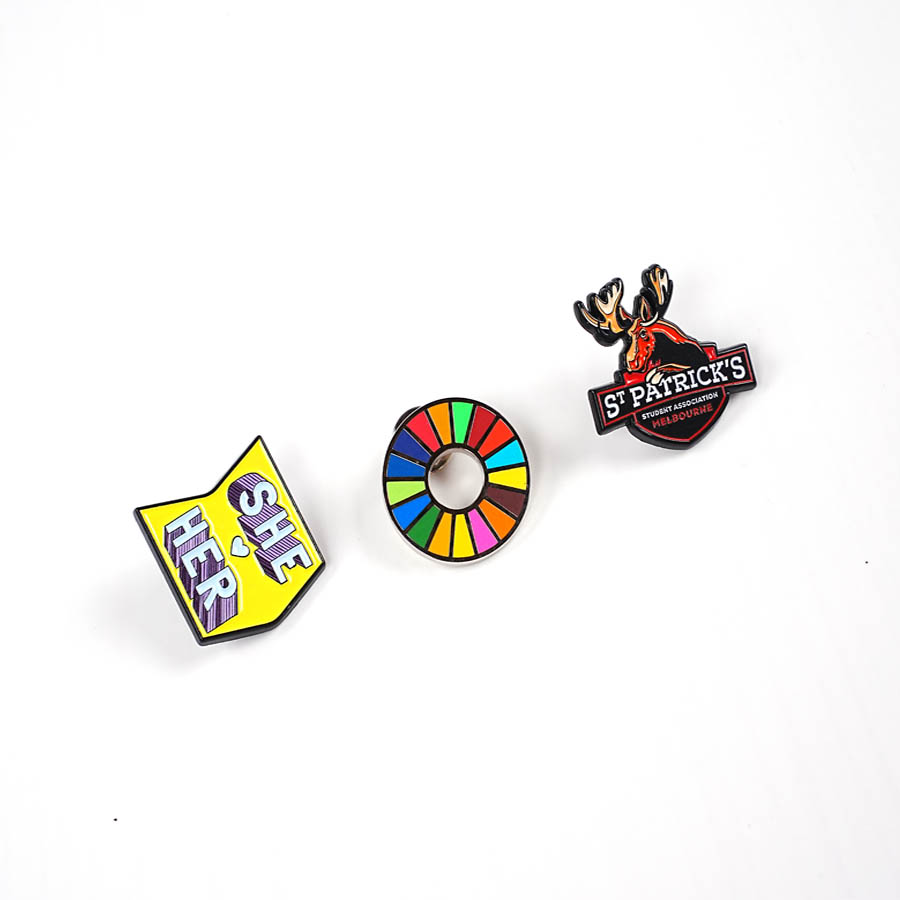
A metal badge is a durable emblem or insignia manufactured from various types of metal or metal alloys. It is designed to be affixed to clothing, uniforms, vehicles, or other surfaces to signify affiliation, authority, achievement, or brand identity. The manufacturing process is precise, often involving techniques like die-striking, casting, ETChing, or photo-etching, followed by a range of finishing and plating options such as gold, silver, nickel, or antique finishes. The result is a robust and visually distinct object that can withstand the rigors of daily use while conveying a clear and professional message.
Defining Characteristics and Technical Data
The value and functionality of a metal badge are derived from its core characteristics, each backed by specific material and process data.
1. Exceptional Durability and Structural Integrity
Metal badges are renowned for their ability to resist physical impact, abrasion, and deformation. This is a direct result of the materials used and the manufacturing process. For instance, stamped steel badges can have a tensile strength ranging from 290 to 870 MPa, allowing them to maintain their shape under significant stress. Die-cast zinc alloys (such as Zamak 3), popular for their intricate detail, offer a tensile strength of approximately 280 MPa and a Rockwell hardness of B82. This structural integrity ensures the badge remains legible and intact over many years, even in demanding environments like law enforcement or heavy industry.
2. High-Fidelity Detail and Precision
The processes of die-striking and casting allow for the reproduction of exceptionally fine details. Modern CNC-machined dies can achieve line resolutions as fine as 0.1 mm (100 microns), capturing intricate logos, text, and graphic elements with precision. This capability is crucial for replicating official seals, complex corporate logos, or detailed portraits on commemorative items. The sharpness of the struck metal, known as the "coin edge" effect, provides a level of quality and tangibility that plastic or fabric alternatives cannot match.
3. Superior Corrosion and Environmental Resistance
Through advanced plating and coating technologies, metal badges are engineered to resist tarnishing, oxidation, and corrosion. A typical electroplated nickel undercoating provides a barrier with a thickness of 5-10 microns. Subsequent layers, such as a 24k gold electroplate (at 1-3 microns) or a palladium-nickel finish, further enhance appearance and durability. The final step often involves applying a clear epoxy resin or protective lacquer. This epoxy layer, with a thickness of 150-300 microns, acts as a robust shield against UV radiation, moisture, salt spray, and chemicals, ensuring the badge's colors and metallic luster remain vibrant.
4. Significant Perceived Value and Professional Aesthetics
The heft, cool touch, and brilliant finish of a metal badge contribute to a high perceived value. The specific gravity of zinc (~6.6 g/cm³) and brass (~8.4 g/cm³) gives the badge a substantial feel. This psychological impact is leveraged by organizations to convey prestige, authority, and quality. A well-crafted metal badge communicates a level of seriousness and permanence that elevates the status of the wearer and the organization it represents.
Primary Application Scenarios
The unique properties of metal badges make them indisPensable across a wide spectrum of fields.
| Application Sector | Specific Use Cases | Rationale |
|---|---|---|
| Corporate & Branding | Employee ID badges, long-service awards, branded lapel pins for trade shows, corporate gifts. | Enhances brand identity, fosters employee morale, and serves as a high-quality marketing collateral that projects a professional image. |
| Law Enforcement & Security | Police officer shields, security guard badges, federal agency insignia, K-9 unit tags. | Symbolizes authority and public trust. The durability ensures it can withstand physical altercations and daily wear, while its design is difficult to counterfeit. |
| Military & Government | Unit crests, rank insignia, qualification badges, challenge coins, diplomatic service pins. | Denotes rank, specialization, and unit affiliation within a strict hierarchical structure. Serves as a tangible token of honor, achievement, and camaraderie. |
| Collectibles & Events | Limited edition pins, fan club merchandise, commemorative coins for anniversaries, event participation pins. | Creates a sense of exclusivity and community among collectors and fans. Serves as a lasting memento of participation in a significant event. |
A Comprehensive Guide to Maintenance and Care
Proper care is essential to preserve the aesthetic appeal and structural integrity of a metal badge for decades. The following protocol outlines best practices for maintenance.
1. Routine Cleaning and Dust Removal
Regular, gentle cleaning prevents the accumulation of abrasive particles and grime. Use a soft, lint-free Microfiber cloth to lightly wipe the badge's surface. For more persistent dust, a gentle puff of air from a camera lens blower is effective. Avoid using abrasive paper towels, coarse cloths, or tissues that can microscratch the epoxy coating or soft metal platings.
2. Deep Cleaning for Stubborn Contaminants
If the badge has been exposed to dirt, sweat, or fingerprints, a more thorough cleaning is required.
Create a mild cleaning solution by mixing a few drops of pH-neutral dish soap with a cup of lukewarm water.
Dampen a soft cloth (do not soak it) in the solution and gently wipe the badge's surface.
Immediately dry the badge thoroughly with a separate dry, soft cloth to prevent water spotting.
Avoid harsh chemicals such as ammonia-based window cleaners, bleach, acetone, or any strong solvents. These can degrade the epoxy resin, cause discoloration of the plating, and strip away protective lacquers.
3. Proper Storage and Handling
When not in use, storage conditions are critical.
Store badges individually in soft cloth pouches, acid-free tissue paper, or dedicated plastic sleeves.
Avoid storing multiple bare badges together, as they can rub against each other, causing scratches and "metal transfer."
Maintain a stable environment with low humidity (ideally below 60% RH) and stable temperature to prevent condensation and accelerated corrosion.
Always handle the badge by its edges. The natural oils and acids on skin can, over time, tarnish plated surfaces, especially on older or uncoated badges.
4. Special Considerations for Different Backings
The Attachment mechanism also requires attention.
Pin and Clutch Backs: Ensure the pin is correctly secured in the clutch to prevent loss. Periodically check that the clutch's grip has not weakened.
Screw Backs: Check that the screws are tight but do not over-tighten, as this can strip the threads or damage the badge.
Magnetic Backs: Keep the magnetic surface clean of metallic debris to ensure a strong hold and prevent scratching.
5. Addressing Damage and Professional Restoration
For significant damage like deep scratches, denting, or lifting of the epoxy coating, seek advice from a professional badge manufacturer or a conservator specializing in metal objects. Attempting a DIY repair with glue or polish can often cause more harm than good, significantly diminishing the badge's value and appearance.
