


 English


Nylon Lanyard is a versatile and durable strap made from woven nylon fibers, typically constructed through a weaving process that creates a strong, flexible, and lightweight material. The most common construction is a tubular weave, which provides a 360-degree printable surface and enhanced durability. Nylon, a synthetic polymer known chemically as polyamide, offers exceptional tensile strength, with most standard Nylon Lanyards having a breaking strength between 150 to 200 pounds (68 to 91 kilograms). This high tensile strength ensures that the lanyard can withstand significant force without snapping, making it a reliable choice for securing valuable items. Furthermore, nylon possesses excellent abrasion resistance, often tested to withstand thousands of cycles on a Martindale abrasion tester before showing significant wear. Its inherent resistance to mildew, fungi, and many common chemicals adds to its longevity. The material also has a low moisture absorption rate of about 4-4.5% at saturation, meaning it dries quickly and is less prone to stretching when wet compared to natural fibers. The surface of nylon is ideal for printing and dyeing, allowing for vibrant, full-color logos and text through methods like screen printing, dye sublimation, or heat transfer, with colorfastness ratings ensuring the design remains intact through extended use and exposure.
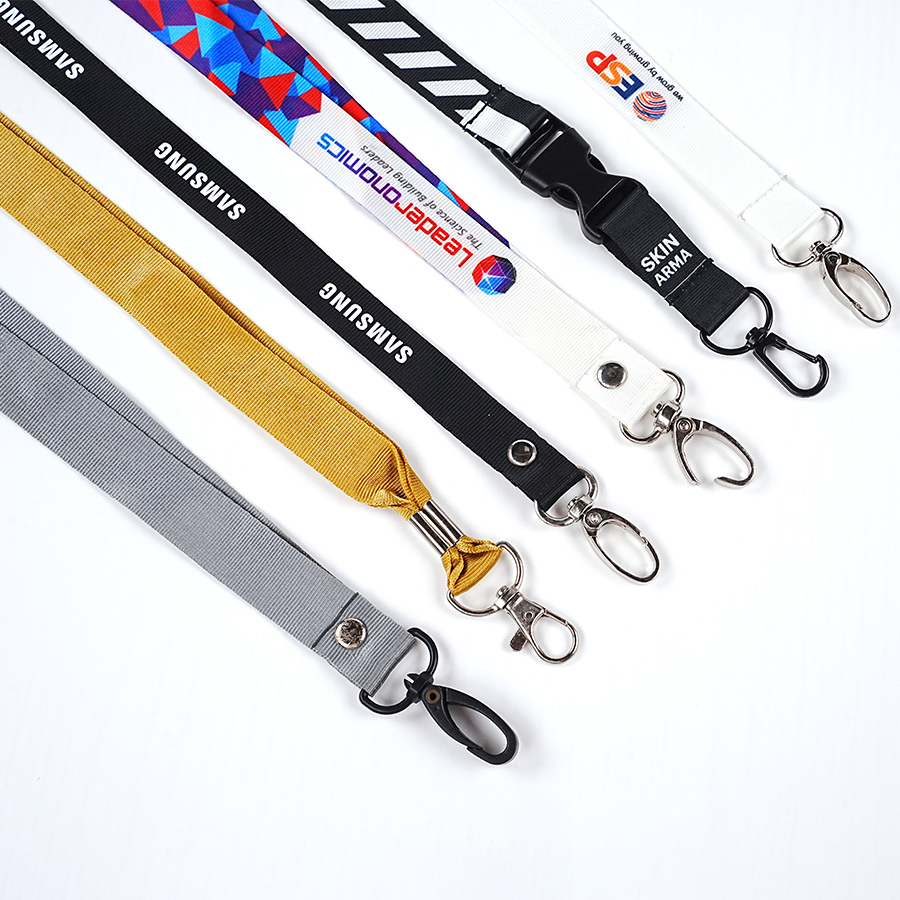
Key Characteristics and Professional Data
1. Exceptional Tensile Strength and Durability: The primary advantage of a nylon lanyard is its remarkable strength. The interlocking polymer chains in the nylon fiber provide a high strength-to-weight ratio. Standard breaking strength tests for a typical 3/4-inch (approx. 19mm) wide tubular nylon lanyard often exceed 180 lbs (82 kg). This makes it capable of securely holding heavy ID badges, tools, and electronic devices without risk of failure under normal conditions. Its durability is further evidenced by its high abrasion resistance, a critical property measured by the number of cycles it can endure on standardized testers before fabric rupture.
2. Lightweight and Flexible: Despite its strength, nylon is inherently lightweight. A standard meter of nylon lanyard weighs only a few grams, ensuring minimal burden on the wearer. This lightweight nature, combined with the flexibility of the woven tubular construction, allows the lanyard to lie flat and comfortable against the skin and clothing. It does not stiffen in cold weather or become brittle, maintaining its pliability across a wide temperature range, typically from -40°C to 120°C (-40°F to 248°F).
3. Superior Printing Capability and Colorfastness: The smooth, synthetic surface of nylon is highly receptive to dyes and inks. Printing techniques like dye sublimation allow for full-color, photorealistic designs that are infused directly into the fibers, resulting in excellent colorfastness. Tests for crocking (color rubbing off) and lightfastness (resistance to fading from UV light) show high ratings, ensuring that corporate logos and branding remain vibrant and legible for the product's lifespan, even with frequent outdoor use.
4. Resistance to Environmental Factors: Nylon lanyards are inherently resistant to biological degradation. They are mildew-proof and rot-proof, unlike their cotton or polyester counterparts which can be susceptible under certain humid conditions. They also exhibit good resistance to many common chemicals, oils, and solvents, making them suitable for industrial environments. While not inherently UV-stable, additives can be included during the manufacturing process to significantly enhance their resistance to ultraviolet radiation, preventing premature weakening and fading.
5. Cost-Effectiveness: From a procurement perspective, nylon lanyards offer an excellent balance of performance and cost. The raw material, nylon, is less exPensive to produce than some other synthetic polymers used for specialized lanyards, making it the most economical choice for large-volume orders for events, conferences, and corporate identity programs, without compromising on core performance attributes like strength and print quality.
Application Scenarios
The combination of these properties makes nylon lanyards ubiquitous across numerous sectors. In the corporate and event management world, they are the default choice for holding name badges, conference passes, and access control cards at trade shows, conventions, and corporate gatherings. Their printable surface is perfect for branding and sponsor logos. In education and healthcare, they are used extensively for student and staff ID badges, often incorporating safety breakaway clasps for added security. The retail and hospitality industries utilize them for keys, point-of-sale (POS) devices, and guest passes. In industrial and manufacturing settings, their durability and chemical resistance make them ideal for securing tools, inspection gauges, and safety equipment. They are also commonly used in the technology sector for USB drives and in sports and recreation for whistles and competition credentials.
Care and Maintenance Instructions
Proper care is essential to maximize the lifespan and appearance of a nylon lanyard. For cleaning, it is generally safe to hand wash the lanyard in lukewarm water using a mild detergent. Agitate it gently, rinse thoroughly with clean water, and hang it to air dry completely. Avoid using bleach, harsh chemicals, or abrasive cleaners as they can damage the fibers and fade the printed design. Do not machine wash or tumble dry, as the agitation and heat can cause fraying, twisting, and shrinkage. For stain removal, spot clean with a soft cloth dampened with a mild soap solution. When not in use, store the lanyard in a cool, dry place away from direct sunlight to prevent any potential UV degradation over extended periods. Regularly inspect the lanyard, especially the Attachment points and clasps, for any signs of wear, tearing, or weakening, and replace it if any damage is detected to ensure continued safety and reliability.
